Reflecting on Peace — 80 Years After Hiroshima 平和を見つめ直す日:広島から80年
08/06/2025 BY Feisty 1号
GoFeisty! is here to fuel the bold, the bright, and the fearless with content that empowers, uplifts, and makes life more meaningful.
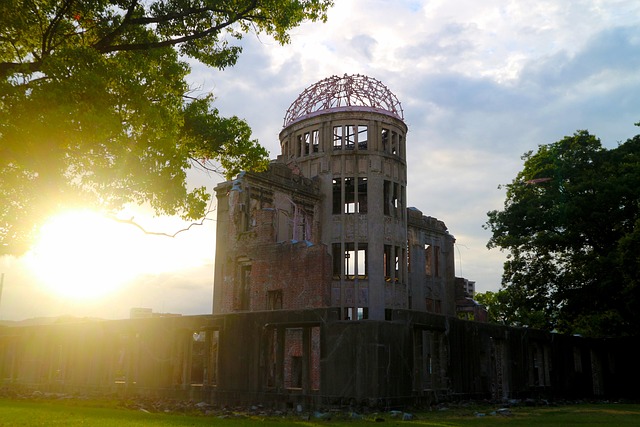
Today, we honor the 80th anniversary of the atomic bombing of Hiroshima.
つよくあかるくたくましく生きる人の心と体の糧となる情報を発信している Go Feisty! 今日は広島原爆投下80周年という節目の日。平和を見つめなおす日として記しておきたいと思います。
On August 6, 1945, the world witnessed devastation on an unimaginable scale.
Today, 80 years later, we pause—not just to remember the lives lost in Hiroshima, but to renew our commitment to peace.
Each passing year makes it easier to forget. But forgetting is a privilege we cannot afford. The memory of Hiroshima and Nagasaki is not only Japan’s burden—it is a global responsibility. Some American politicians still claim, “It was necessary to end the war.”
But we must ask:
Are we, as humankind, truly that foolish?
Can mass killing ever be the foundation of real peace?
Even 80 years later, these questions remain unanswered.
And that is why we must keep asking. Keep remembering.
Only then can we move toward a peace that is more than just the absence of war.
This morning, we listened to the moving words of the Governor of Hiroshima Prefecture.
We invite you to read his full speech here:
Governor’s Greeting at 2025 Hiroshima City Peace Memorial Ceremony
On this day, which marks the 80th year after the atomic bombing of Hiroshima, on behalf of all people of Hiroshima Prefecture, I wish to offer my humble and sincere prayers for the souls of those who lost their lives in the atomic bombing. I would also like to extend my deepest condolences to the bereaved families and express my heartfelt sympathies to the hibakusha, the atomic bomb survivors, who are suffering even today.
Shortly after the atomic bombing, it was said that not a single grass or tree would grow in Hiroshima for 75 years. Five years have already passed since that milestone, and Hiroshima has undergone dramatic transformation, marked by the opening of a new station building – now the third generation since the bombing. Many tourists are visiting the city from around the world, and we see Hiroshima has become a peaceful, thriving city. At the same time, however, we are aware that the prosperity we are enjoying today is fragile, as the international situation shifts from one based on the rule of law and diplomacy to a world ruled by overt violence.
Given this situation, some people argue that the importance of nuclear deterrence is growing. Is this really so? Certainly, the concept of deterrence may be necessary to prevent the outbreak of wars but there are limitations. Since the Peloponnesian War in ancient Greece, deterrence supported by the balance of power has been broken repeatedly. This is because it is ultimately a psychological construct or an idea that exists only in our minds. Unlike universal laws such as law of universal gravitation, deterrence is not an undeniable truth but a fiction.
Deterrence has been broken by over-confident leaders, extreme egoism, pressure from an agitated populace, and widespread misunderstandings or misconceptions. As Japan started the Pacific War despite its overwhelming disadvantage in the balance of power, human beings do not always make rational decisions, which is a fundamental assumption of deterrence theory, especially nuclear deterrence theory.
In fact, nuclear deterrence has not been safely sustained over the past 80 years, but has, at times, been on the brink of collapse. Historical records reveal several instances where the risk of nuclear catastrophe was averted only because of intentional breaches of protocol and the refusal to launch a nuclear missile.
An ancient Chinese poet once wrote, “Ruined is the nation; remain the mountains and rivers.” In the past, the foundation for reconstruction remained even after a nation was ruined by the breakdown of deterrence.
“Remains the nation; ruined are the mountains and rivers.”
Should nuclear deterrence fail someday, as suggested by historical evidence, and should nuclear war occur, it would be impossible to save the human race and the earth from unrecoverable devastation.
What is the meaning of national security if it protects only the concept of a nation but has possibility to lead unrecoverable end for its land and people?
Deterrence does not simply refer to a balance of military power, but it also encompasses broader elements such as soft power and diplomacy. To ensure the sustainability of humanity even if deterrence fails, we must eliminate nuclear weapons as a component of deterrence. Reportedly, more than 14 trillion yen is spent annually to maintain nuclear deterrence. What we must do now is to invest just one tenth of this amount into resources and knowledge to build a new security system without nuclear weapons.
Nuclear abolition is not a far-off lodestar shining in the sky. As a hibakusha, who was pinned under a collapsed building, crawled towards a ray of light little by little in the darkness and ultimately escaped the rubble with her life, we must pursue the abolition of nuclear weapons. It is a tangible, realistic goal within our reach, the failure of which could mean death.
“Don’t give up! Keep pushing! See the light? Crawl towards it.” (Copyright: THE NOBEL FOUNDATION, STOCKHOLM, 2017)
Many hibakusha who were unable to escape the rubble died in darkness and agony. To honor their memory, we must never give up, and continue to crawl persistently towards the light of nuclear abolition, ensuring the lives and security of the human race and the earth.
Lastly, Hiroshima Prefecture will never stop its efforts towards nuclear abolition. With this vow, I would like to conclude my message of peace.
August 6, 2025
Hidehiko Yuzaki
Governor Yuzaki’s words echo far beyond Hiroshima.
“Some people argue that the importance of nuclear deterrence is growing. Is this really so?”
“What is the meaning of national security if it protects only the concept of a nation but has possibility to lead unrecoverable end for its land and people?”
These questions shook me.
They are not just philosophical—they are urgent. Real. Human.
They remind us that peace is not built on fear or threats, but on courage, compassion, and the refusal to look away.
As someone who lives in a world still shaped by the consequences of August 6, 1945, I was deeply moved by Governor Yuzaki’s clear and unwavering call for nuclear abolition—not as a distant dream, but as a tangible goal we must crawl toward, no matter how long or dark the journey.
Let us carry these words forward. Let us not only listen, but act.
My father walked through Hiroshima the day after the atomic bomb was dropped.
He was in the fourth grade, en route to his evacuation site.
He has never spoken a word about what he saw.
From my uncles, I learned that the experience left a deep trauma in him.
Hiroshima is not some distant place or story—it is right beside us.
And it could become reality again, at any moment.
As violence and killing continue across the world,
I keep telling myself—again and again—
we must take strong, unwavering action for peace.
For peace, for the future—Let’s Go Feisty!
1945年8月6日、世界は想像を超える惨状を目の当たりにしました。
そして今日、80年後の私たちは、ただ追悼するだけでなく、「平和とは何か」をもう一度見つめ直すべき時に来ています。
時が経つほど、記憶は薄れていきます。
でも、それを「忘れてもいい」という余裕は、今の私たちにはありません。
広島と長崎の記憶は、日本だけのものではなく、世界の責任でもあります。
今朝、広島県知事のスピーチを聞きました。
深く心を打たれる内容でした。ぜひ全文を読んでみてください。
【広島県知事あいさつ】
被爆 80 年目の8月6日を迎えるにあたり、原爆犠牲者の御霊に、広島県民を代表し謹んで哀悼の誠を捧げます。そして、今なお苦しみの絶えない被爆者や御遺族の皆様に、心からお見舞いを申し上げます。
草木も生えぬと言われた 75 年からはや5年、被爆から3代目の駅の開業など広島の街は大きく変わり、世界から観光客が押し寄せ、平和と繁栄を謳歌しています。しかし同時に、法と外交を基軸とする国際秩序は様変わりし、剥き出しの暴力が支配する 世界へと変わりつつあり、私達は今、この繁栄が如何に脆弱なものであるかを痛感しています。
このような世の中だからこそ、核抑止が益々重要だと声高に叫ぶ人達がいます。し かし本当にそうなのでしょうか。確かに、戦争をできるだけ防ぐために抑止の概念は必要かもしれません。一方で、歴史が証明するように、ペロポネソス戦争以来古代ギリシャの昔から、力の均衡による抑止は繰り返し破られてきました。なぜなら、抑止とは、あくまで頭の中で構成された概念又は心理、つまりフィクションであり、万有 引力の法則のような普遍の物理的真理ではないからです。
自信過剰な指導者の出現、突出したエゴ、高揚した民衆の圧力。あるいは誤解や錯 誤により抑止は破られてきました。我が国も、力の均衡では圧倒的に不利と知りながらも、自ら太平洋戦争の端緒を切ったように、人間は必ずしも抑止論、特に核抑止論が前提とする合理的判断が常に働くとは限らないことを、身を以て示しています。 実際、核抑止も 80 年間無事に守られたわけではなく、核兵器使用手続の意図的な逸脱や核ミサイル発射拒否などにより、破綻寸前だった事例も歴史に記録されています。
国破れて山河あり。 かつては抑止が破られ国が荒廃しても、再建の礎は残っていました。 国守りて山河なし。 もし核による抑止が、歴史が証明するようにいつか破られて核戦争になれば、人類も地球も再生不能な惨禍に見舞われます。概念としての国家は守るが、国土も国民も復興不能な結末が有りうる安全保障に、どんな意味があるのでしょう。
抑止力とは、武力の均衡のみを指すものではなく、ソフトパワーや外交を含む広い 概念であるはずです。そして、仮に破れても人類が存続可能になるよう、抑止力から核という要素を取り除かなければなりません。核抑止の維持に年間14兆円超が投入 されていると言われていますが、その十分の一でも、核のない新たな安全保障のあり 方を構築するために頭脳と資源を集中することこそが、今我々が力を入れるべきことです。
核兵器廃絶は決して遠くに見上げる北極星ではありません。被爆で崩壊した瓦礫に 挟まれ身動きの取れなくなった被爆者が、暗闇の中、一筋の光に向かって一歩ずつ這い進み、最後は抜け出して生を掴んだように、実現しなければ死も意味し得る、現実的・具体的目標です。
「諦めるな。押し続けろ。進み続けろ。光が見えるだろう。 そこに向かって這っていけ」(2017年 ノーベル平和賞授賞式でサーロー節子氏のスピーチより 広島県が翻訳※著作権:THE NOBEL FOUNDATION, STOCKHOLM, 2017)
這い出せず、あるいは苦痛の中で命を奪われた数多くの原爆犠牲者の無念を晴らすためにも、我々も決して諦めず、粘り強く、核兵器廃絶という光に向けて這い進み、人類の、地球の生と安全を勝ち取ろうではありませんか。
広島県として、核兵器廃絶への歩みを決して止めることのないことを誓い申し上げ て、平和へのメッセージといたします。
令和7年8月6日 広島県知事 湯﨑英彦
“戦争を終わらせるためには仕方がなかった”
原爆投下に関して、そう語るアメリカの政治家たちがいます。
でも、私たちは問いたい。
人類は、本当にそこまで愚かな存在なのでしょうか。
大量殺人によって、果たして本当の平和が築けるのでしょうか。
80年経った今も、その問いは答えを待ち続けています。
だからこそ、語り継ぎ、問い続けることをやめてはいけません。
湯﨑知事の言葉は、広島を越えて世界中に響きます。
「核抑止力の重要性が増しているという人もいます。本当にそうでしょうか?」
「国家という概念だけを守るために、その国土と人々を取り返しのつかない破滅に導く可能性があるような安全保障に、一体どんな意味があるのでしょうか?」
この問いかけに、私は心を揺さぶられました。
それは哲学的な問いにとどまらず、今すぐに向き合うべき現実であり、人間としての根源的な問いです。
恐怖や脅しではなく、勇気と思いやり、そして「目をそらさない覚悟」こそが平和を築く力だと、あらためて思い出させてくれます。
1945年8月6日の記憶が、今もなお世界に影を落としているこの時代に生きる一人として、
私は、核廃絶は遠い理想ではなく、「暗闇の中で少しずつ光に向かって這うようにして進む、現実的な目標」なのだという湯﨑知事の力強く揺るがぬ訴えに、深く心を動かされました。
この言葉を胸に刻み、ただ耳を傾けるだけでなく、行動につなげたいと思います。
私の父は、原爆が落ちた翌日の広島を歩きました。
当時小学4年生で、疎開の途中だったそうです。
彼はそのとき目にしたことを、一言も語ろうとしません。
伯父たちから聞いた話では、それが心の深い傷となり、今も癒えていないのだそうです。
広島は、どこか遠い土地や物語ではなく、私たちのすぐ隣にある現実です。
そして、それは再び現実になるかもしれないのです。
世界のあちこちで人が殺され続けている今、
私は自分に言い聞かせています——
「強く、あきらめずに、平和のために行動しなければならない」と。
平和のために。未来のために。Let’s Go Feisty!
Feisty 1号
Founder of GoFeisty! and a proud Fire Horse. A bold, bright, and fearless force of nature, living unapologetically outside the lines. In 2026—the once-in-60-years Fire Horse Year, she is traveling the world to lead Blaze in Orange 2026, a global movement that transforms long-held bias into celebration, inviting people everywhere to honor strength, resilience, and individuality in orange. つよく あかるく たくましく 大きくはみ出て生きることがモットーのヒノエウマ。GoFeisty! 主催。米国シアトルと日本を拠点に活動。2026年、60年に1度のヒノエウマイヤーに向け、迷信を祝福に変えるムーブメント Blaze in Orange 2026 を世界で展開中。

Trending
Celebrate in Orange 2026 TOKYO「ヒノエウマのひな祭り」2026年3月3日開催!
01/28/2026 / BY Feisty 1号
Blaze in Orange 2026


The Feisties